
Vein Finders for Nurses – LED Transilluminators for IV Access
Vein finders and LED transilluminators for IV access and phlebotomy, from pocket red-light torches to professional near-infrared vein viewers.
Vein finders sit at an unusual point in nurse gifting: unmistakably a piece of clinical equipment, and simultaneously one of the most appreciated presents you can give the right nurse. Difficult venous access is one of the genuinely stressful recurring parts of the job — for the patient being stuck repeatedly and for the nurse doing the sticking — and anything that improves the odds on the first attempt is welcome.
Pocket transilluminators
The practical everyday option is a red-LED transilluminator, roughly $25 to $55, small enough to carry in a scrub pocket and rechargeable. Held against the skin, it lights the tissue from behind so superficial veins show as dark lines. These work best where there is not much tissue to shine through — infant heels and hands, adult hands and wrists, thin forearms — which is exactly where the hardest sticks tend to be. This is the range most individual nurses will actually use.
Professional near-infrared units
At the upper end, near-infrared vein viewers project a live map of the vasculature onto the skin surface rather than backlighting it, handling deeper veins and larger limbs. These are unit and IV-team equipment more than personal kit, and the price reflects that. Worth knowing if you are buying on behalf of a department, a vascular access service, or an infusion clinic rather than for one person.
Disclosure: Illumivein is our own brand. It appears here because it is a product we make, and you should weigh that alongside the alternatives on this page.
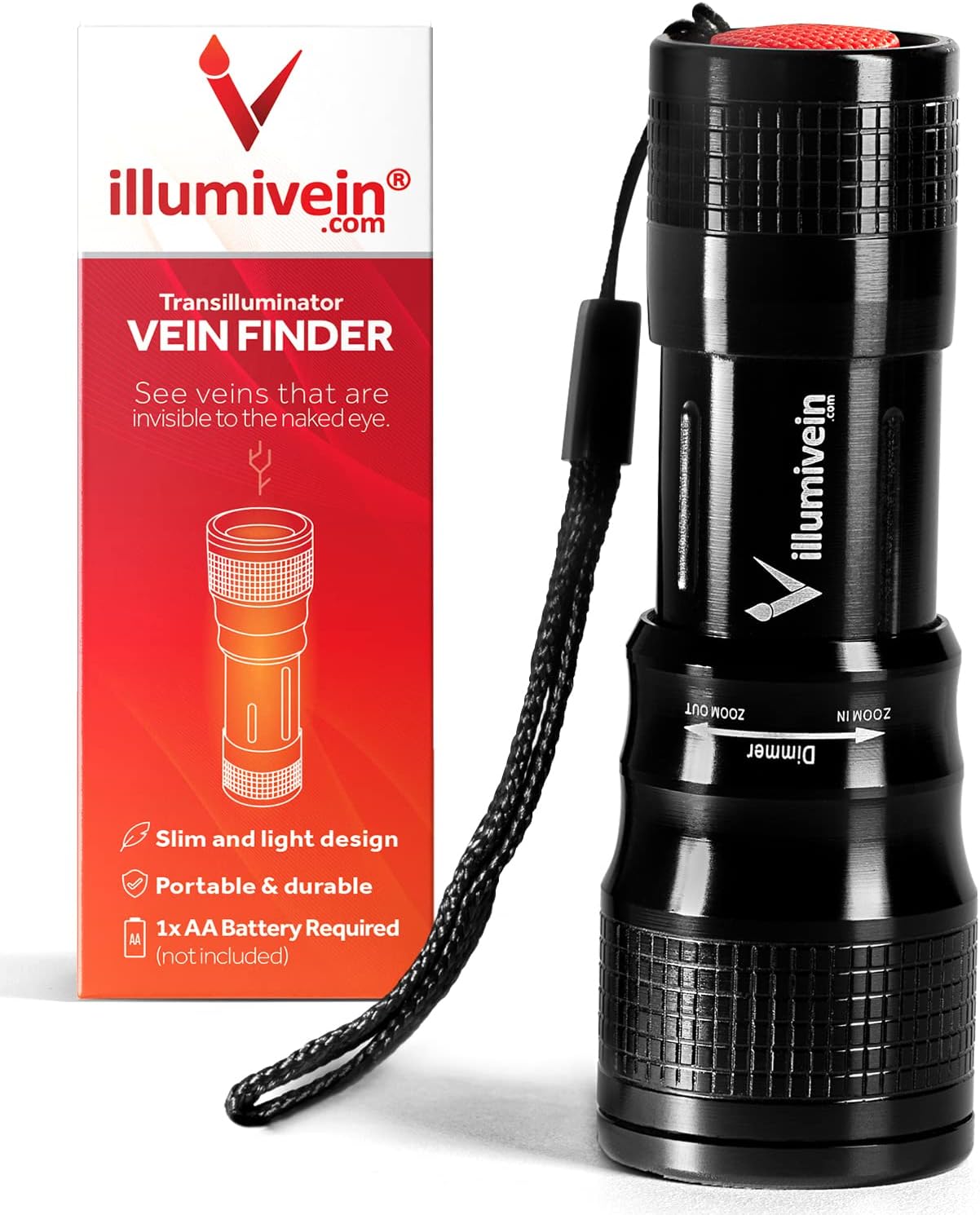
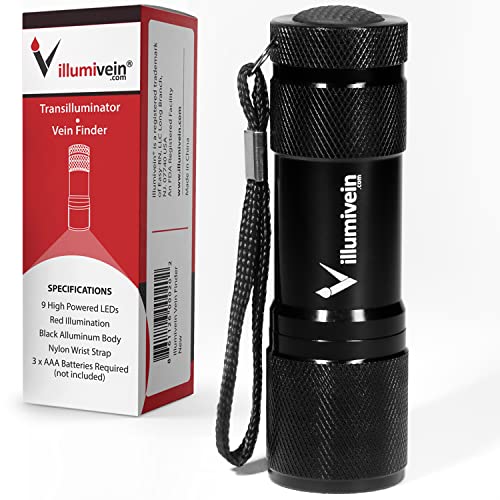
Illumivein Premium Vein Finder
View on Amazon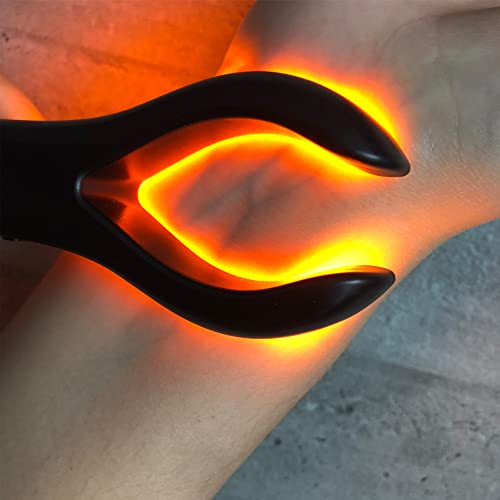
Rechargeable Vein Finder Viewer for IV Access Phlebotomy for Nurse Clinics Homes Use,Vein Finder Light for Various Skin People,Yellow
View on Amazon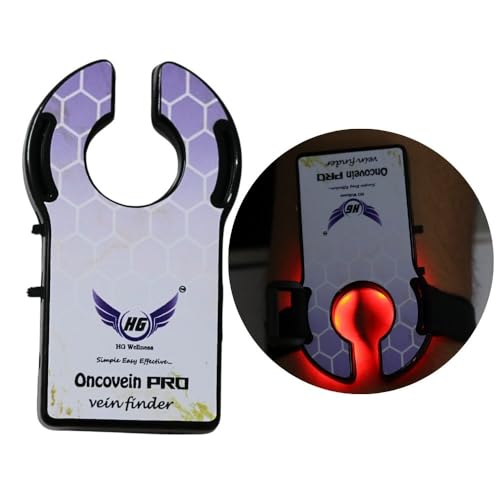
Rechargeable Vein Finder for IV Access – ONCOVEIN PRO LED Vein Finder Light for Phlebotomy in Clinics and Home Use – Ideal for All Skin Tones
View on Amazon
LEDX Vein Finder – Sclerotherapy Varicose Vein Mapping and Access Device. The Gold Standard, Used by All Major Vein Treatment Centers Around The World.
View on AmazonFrequently Asked Questions
Do vein finders actually work for IV access?
For the right patients, yes. Transillumination — shining a bright red or near-infrared light through tissue — makes superficial veins visible in patients where they cannot be seen or felt: infants, elderly patients with fragile skin, dehydrated patients, oncology patients with scarred veins, and people with darker skin tones where surface visualisation is harder. They are an aid to assessment, not a replacement for it, and they help least on deep veins in larger arms.
Who is a vein finder a good gift for?
Anyone whose job is repeated venous access: NICU and paediatric nurses, oncology and infusion nurses, phlebotomists, IV teams, and paramedics. It is a poor gift for a nurse who rarely cannulates, and a very good one for someone who does it a dozen times a shift and is regularly handed the difficult stick because they are the one who lands it.
What is the difference between a cheap LED torch and a professional vein viewer?
Price tracks depth and clarity. A pocket red-LED transilluminator in the $25 to $55 range works well on infants, hands, and thin forearms, and is small enough to live in a scrub pocket. Professional near-infrared units costing several hundred dollars project a clearer map over a larger area and cope better with deeper veins and more tissue, which is why they turn up on IV teams and in vascular access services rather than in individual pockets.